Follow the Fun
Before anything else, play.
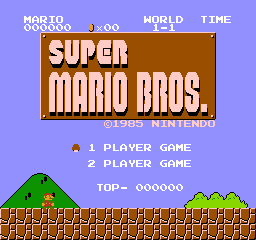
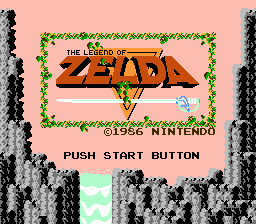
Super Mario Bros. and The Legend of Zelda are the two games this course is built around. If you have access to them, play them; alternatively, watch gameplay and imagine playing them. Not to study them. Not to finish them. Just to see what happens.
While you play or watch, notice what you feel. Not what you think about it. What you feel.
A few things to hold in your head while you go:
- What made you smile, or feel satisfied?
- What frustrated you? And why?
- Did anything surprise you? Why or why not?
- Is there anything in either game you would want to follow, or want to avoid, in a game you made?
You do not need to write any of this down. Just hold onto it. These reactions, the good ones and the bad ones, are the beginning of your instincts as a game developer.
Follow the Fun - your thoughts
What made you smile, or feel satisfied?
What frustrated you? And why?
Did anything surprise you? Why or why not?
Is there anything in either game you would want in a game you made? Anything you would want to avoid?
Games as Art
The feelings you had while playing were not random.
Someone made them. A person sat down and made thousands of small decisions. How fast Mario runs. How high they jump. How long they stay in the air. How the controls respond to you. How the enemies move. What the music does when you clear a level.
Every one of those decisions was a choice. Every choice shaped what you felt.
That is a lot of what makes something art.
Art is an experience, captured. Something that can be shared, interpreted, and felt differently by everyone who encounters it. Games do this as well as anything ever has. In some ways, better.
No other medium combines what games do. Sound, visuals, story, interaction. All of it responding to you, all at once. They put you inside the experience and make you the one who acts. Video games are one of the most fascinating things humans have ever made.
This course is being written in 2026. Super Mario Bros. and The Legend of Zelda are 40+ year old games. Despite their age, their origin, their intent, they still make people feel things. That staying power is not purely luck. It is also evidence of care.
We study them and have built the course foundation on them because the choices are visible. Simple enough to see clearly. Deep enough to be worth seeing.
They are also a shared language. Everyone on this course studies the same two games. That makes it possible to compare, discuss, and build on the same examples. If you already have a game you love, that instinct is valid. You will bring it with you. But for the purposes of learning here, these two are the common ground.
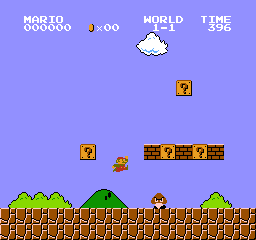
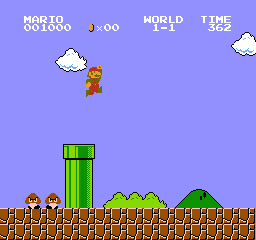
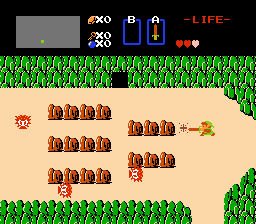
The way a Goomba teaches you the rules of the game without a single word of instruction. The height and weight of Mario's jump. The scale and sense of adventure of Hyrule's overworld.
These are not accidents. Someone thought about them. Someone cared about them.
You are about to learn how to make those sorts of choices.
Not to copy Mario or Zelda. To understand how and why they work. And then to make something that works in your own way, for your own reasons, to reflect your own experiences.
Real Roots
Super Mario Bros. and The Legend of Zelda did not come from nothing.
Their designer, Shigeru Miyamoto, grew up in rural Kyoto, Japan. As a child they explored the countryside. Forests, rivers, rice paddies. They discovered a cave near their home, carried a lantern inside, and did not know what they would find.
That memory became The Legend of Zelda.
The spirit of the state of mind when one kid enters a cave alone must be realized in the game. Going in, he must feel the cold air around him. He must discover a branch off to one side and decide whether to explore it or not. Sometimes he loses his way.
Shigeru Miyamoto, Rolling Stone, January 1992
Mario came from the same imagination. Jumping. Running. Moving through a world with your whole body. The physical joy of being in a space and seeing what you can do.
These games were not invented. They were remembered. Then recreated, to capture an experience.
Games are not (usually) made by one person.
Behind Mario and Zelda were teams of people, each bringing something the others could not.
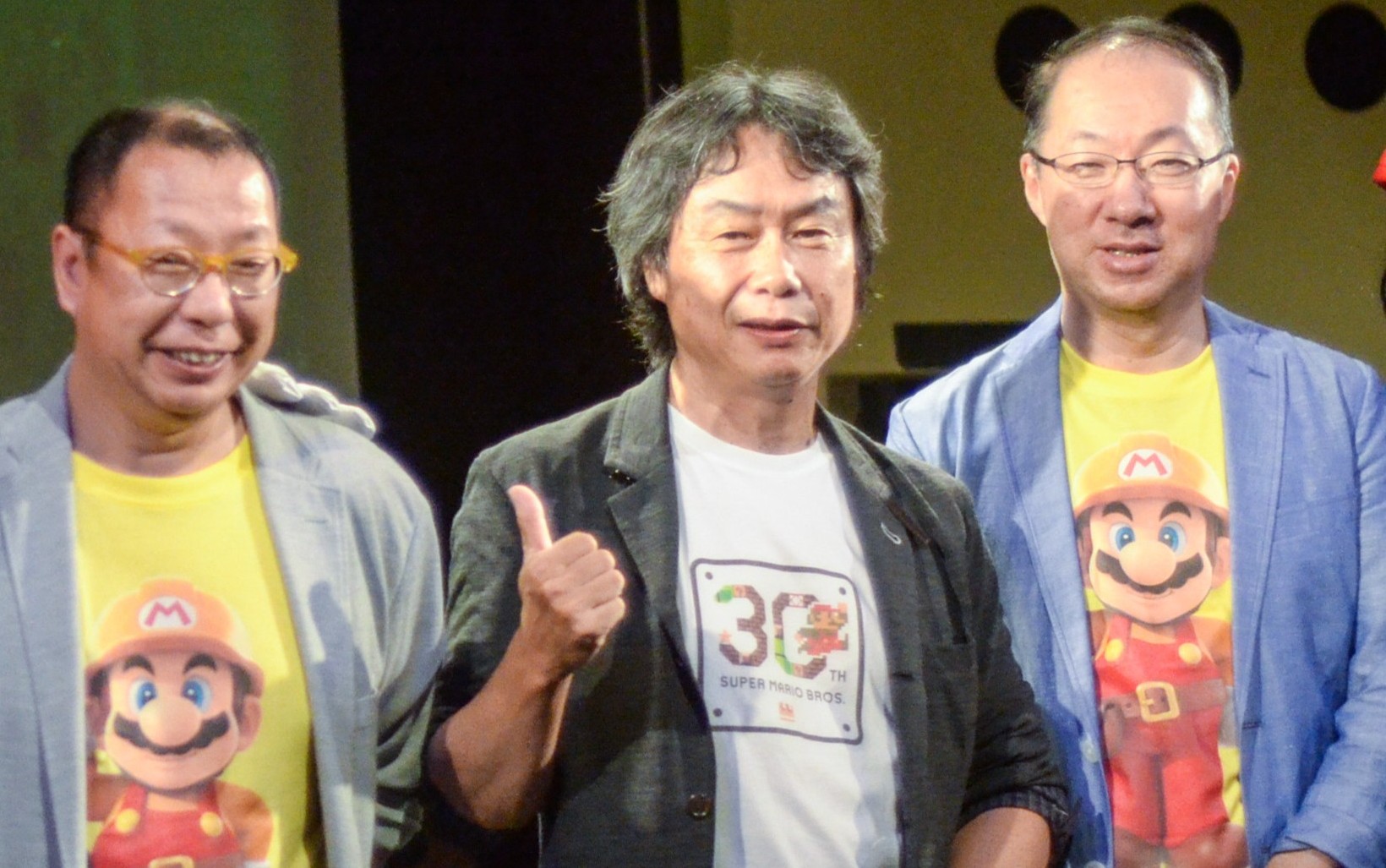

Takashi Tezuka helped shape Zelda's structure and dungeons. Shigeru Miyamoto designed the worlds. Koji Kondo wrote the music. Music that people who have not played these games in forty years can still hum.
Programmers make it work. Artists draw every pixel. Musicians write every melody.
Everyone working on a game has a role. Every role matters. Where is your attention drawn?
In this course, you will try all of it. Designing, composing, drawing, building. That is how you find out what pulls at you most.
You may already have a pull towards something. Audio. Visuals. Story. Systems. Code.
Were you drawn into one in particular when you were playing or watching? Which one did you notice, without realising you were noticing it?
You do not need to answer. Just pay attention.
The game you make will come from somewhere real. Start noticing where.
Real Roots - your thoughts
Which role resonates most with you? Design, music, art, code, or something else?
When you were playing, what did you notice most? The music? The visuals? The way the game responded to you?
Is there a memory or experience from your own life that could become a game?
Your Story
Miyamoto had their cave. Their forests. Their lantern.
You have something too. What is it?
It doesn't need to be dramatic. It doesn't need to be a crazy memory or significant event. It could be an animal you saw as a kid that you never forgot. A street you know so well you could draw it from memory. A game you played that got something wrong, and you knew exactly what you would have done differently. A story someone told you that stuck.
These are not decorations to add to your game later. They are where your game comes from.
The best games feel like they could only have been made by the person who made them. Mario feels like Miyamoto's childhood. Zelda feels like their sense of wonder and discovery. They are not autobiographical. But they are personal.
Your game will be more interesting if it comes from somewhere real. That somewhere is within.
Your Story - your thoughts
What is the memory, place, or experience that might become your game?
If your game had a mood or atmosphere, what would it be?
Is there something you have always wanted to see in a game that you have never found?
Nintendo screenshots reproduced for educational commentary. Image sources - Super Mario Wiki · VGMPF
Last updated: 17 May 2026